Passkey adoption grows as Google fights session theft
Passkeys now account for 36% of successful sign-ins across 15 consumer services, while Google expands cookie protections for Windows Chrome users.
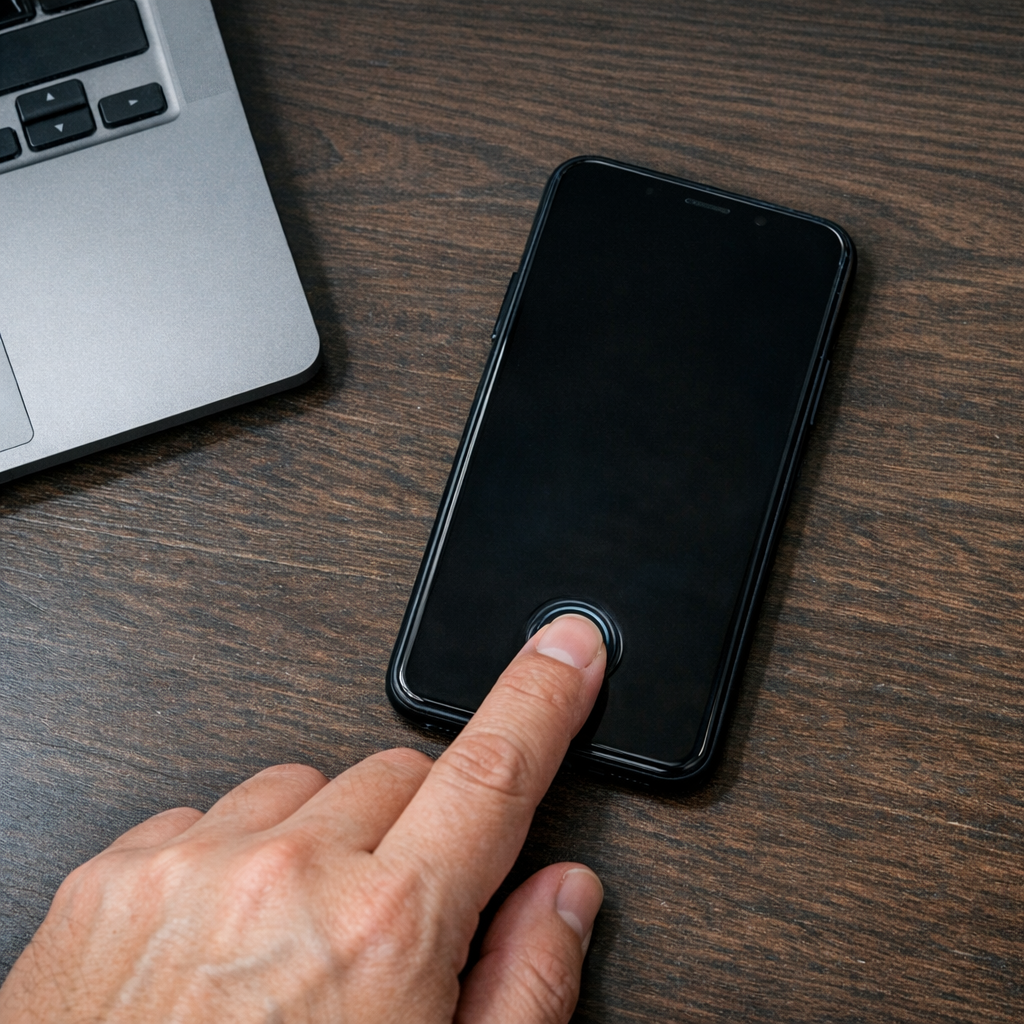
Passkeys now account for 36% of successful sign-ins across 15 consumer services, according to the FIDO Passkey Index 2026 [8].
Passkeys have a 93% success rate, compared to 78% for passwords and traditional multi-factor authentication (MFA) [8]. The FIDO Alliance estimates there are 7 billion passkeys in use worldwide [8].
Google expands Chrome protections
Google is making Device Bound Session Credentials (DBSC) publicly available to Windows users on Chrome 146 [7]. A macOS release is planned for a future version [7].
The feature combats session theft from infostealer malware families like LummaC2 [7]. These attacks exfiltrate session cookies from browser files and memory to bypass passwords [7].
MFA bypass threats
Menlo Security reports that MFA bypass attacks, or single sign-on (SSO) impersonation, circumvent digital tokens and biometrics [5, 6].
These attacks exploit the trust organizations place in SSO providers such as OneLogin, LastPass, and Okta to reach data and systems [6].
What we don't know
- When exactly the DBSC feature will be released for macOS users.
- The specific volume of MFA bypass attacks targeting SSO providers in 2026.
Sources
- MFA Bypass Attacks: How Attackers Beat 2FA in 2026 - Blog - Menlo Security — menlosecurity.com, Oct 24, 2026
- Protecting Cookies with Device Bound Session Credentials — security.googleblog.com, Apr 9, 2026
- FIDO Passkey Index 2026: passkeys now carry 36% of sign-ins — startwithidentity.com, Oct 24, 2026